

Quick Answer
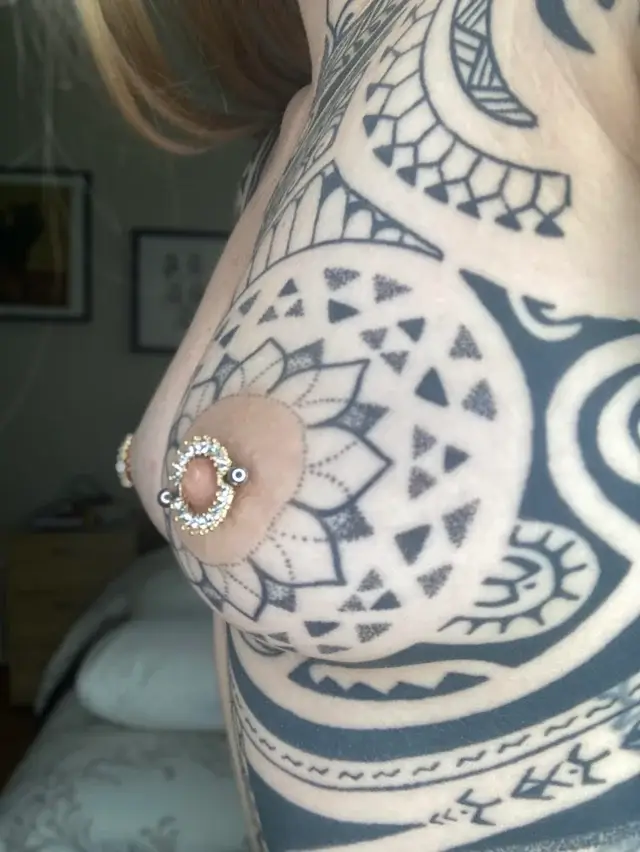
In body jewelry, a nipple shield is a decorative frame worn around the nipple with a barbell through the piercing. It is not a separate piercing, and it is not a breastfeeding shield. Compare the frame’s inner opening, the bar gauge, wearable length and closure instead of choosing by looks alone. Shields are for healed piercings; pain or pressure means it is time to see a piercer.
Key Takeaways
- This guide covers decorative shield jewelry, not silicone feeding aids or breastfeeding advice.
- Inner opening, outer width, bar gauge and wearable bar length are four different measurements.
- A frame that presses into skin, catches on clothing or shifts the bar is the wrong fit, whatever it is made of.
- Fresh, painful, swollen, infected, irritated or migrating piercings need a professional piercer or qualified clinician before any decorative change.
- Browse the nipple jewelry collection to compare, then check the exact listing’s construction and dimensions.
What are nipple shields in piercing jewelry?
A jewelry shield is a decorative frame that sits around part or all of the nipple. Depending on the design, it slides onto a straight barbell, comes built into one assembly, or forms an open surround. “Shield” describes the look, not a protective function.
It does not create a new piercing. If a listing says “nipple shield piercing,” check whether it means an add-on for an existing piercing or a complete piece with its own bar.
A breastfeeding nipple shield is a completely different product. If you need feeding support, talk to a lactation consultant or clinician; decorative metal jewelry is never a substitute.
Shield, barbell or chain: what is the difference?
The barbell is the part that goes through the piercing. A shield frames the area from the outside, and a chain adds a hanging or linking element. One product can combine all three, but each still needs to fit on its own terms.
| Option | Best for | Caveat |
|---|---|---|
| Plain barbell | Establishing the base fit with a piercer | Gauge and wearable length must match your piercing |
| Shield with built-in bar | A framed look sold as one piece | Check the inner opening as well as the bar |
| Separate shield add-on | Adding a frame to bars you already wear | May need a specific bar or end type; compatibility must be stated |
| Chain or dangle design | A moving decorative element | Hanging parts snag and add tension |
| Breastfeeding shield | Recognizing a feeding-aid search | Not body jewelry; get separate feeding advice |
If you are weighing a frame against a hanging design, the nipple chains guide covers connectors and chain length.
How should a nipple shield fit?
The frame should rest around the nipple without squeezing it. Check that the bar and its ends sit normally with the shield on, and that the frame is not pressing into skin. A snug-looking product photo is not a fitting standard, and discomfort is not something that “breaks in.”
The inner opening matters more than the outer diameter. A large ornate frame can have a small center hole, while a compact open design may sit differently. If the listing only gives total width, ask for the inner opening.
Posture, clothing and movement all change how a frame rests. If testing the fit means pulling on the jewelry or pushing tender skin around, stop and ask a piercer.
Which sizes should you compare before ordering?
Start from bar specs your piercer has already confirmed. Gauge is bar thickness, wearable length is a separate number, and the shield’s opening is neither of those.
| Field | What to confirm | Common mistake |
|---|---|---|
| Bar gauge | Thickness of the supplied or required bar | Assuming all nipple jewelry is one gauge |
| Wearable bar length | Where the length is measured | Comparing end-to-end length with wearable length |
| Inner opening | Clear internal dimensions and shape | Using the outer width as the opening size |
| Frame depth | How far the frame sticks out and where it touches | Judging profile from a front-on photo |
| Closure | Threaded, threadless, hinged or other | Assuming similar ends are interchangeable |
| Contents | One piece or a pair; bar included or add-on only | Buying what is pictured, not what is supplied |
Should you size up or down? There is no general rule for jewelry shields. That phrase mostly comes from breastfeeding products, which are a different fitting problem. For jewelry, say which number you mean: gauge, wearable length, inner opening or outer width. A bigger frame does not necessarily mean a bigger opening, and a longer bar changes how the whole piece moves.
As a concrete example, the CZ shield nipple ring in G23 titanium is 14G with a CZ-set frame. The listing gives gauge and material; message the shop for exact length and opening before ordering, and only choose it if 14G matches your piercing.
Materials and finishes: what can you verify?
Read the material for the bar, frame, ends and stones separately. A titanium bar does not mean the frame is titanium. Gold-colored does not mean solid gold, and “steel” on its own does not name a specific alloy.
The APP jewelry guidance explains why material documentation and surface finish matter. It does not certify every product with a familiar material name, and it does not endorse decorative shields for fresh piercings. The site’s material information page gives further background, but the listing for the actual item is what counts.
How long can you wear a nipple shield?
There is no universal number of hours. Comfort depends on the design, your healed piercing, clothing and activity.
Sleep and exercise add pressure and snag risk that you will not notice in a quick mirror check. If the shield comes off separately from the bar, take it off for those activities rather than removing the whole bar. If a frame presses, pulls or shifts, stop wearing it, and get help if it will not come off easily.
A shield is not protection for a new piercing. The APP aftercare guidance recommends keeping friction and pressure to a minimum during healing and having a piercer handle jewelry changes.
Cleaning and checking the jewelry
Follow the maker’s instructions for the specific materials and finish; a method that suits a plain bar can damage a plated frame. Cleaning the jewelry is not the same as caring for the piercing.
Check for rough edges, loose stones and worn finishes before each wear. If a closure does not work as described, contact the seller instead of bending or filing it. The APP also notes that even established piercings can shrink once jewelry is removed, so ask a piercer before leaving a piercing empty for long.
Safety and when to ask a piercer
This is jewelry education, not medical advice. For fresh, painful, swollen, infected, irritated, migrating or anatomy-specific piercings, consult a professional piercer or qualified clinician. Increasing swelling, persistent bleeding, embedding or signs of infection need prompt attention; a larger shield will not hide or fix a problem.
If you are pregnant, breastfeeding or planning to breastfeed, get individual guidance from a clinician or lactation consultant about existing piercings and jewelry.
FAQ
What are nipple piercing shields?
They are decorative frames or surrounds used with nipple jewelry, not a separate piercing type. A design may include a barbell or be sold as an accessory requiring compatible jewelry. Check the internal opening, bar specifications and package contents rather than assuming that the full photographed arrangement is included.
How is a nipple shield supposed to fit?
A decorative surround should not be forced into position or used to squeeze tissue. Assess the opening, profile and underlying bar together, not just the outer appearance. Pressure, catching or discomfort indicates that the setup needs reassessment. Ask a professional piercer before changing jewelry or testing a frame on a tender piercing.
Should I size up or down for nipple shield jewelry?
There is no universal rule. Identify whether you mean bar gauge, wearable length, internal opening or decorative width, because these are different measurements. A larger outer frame does not necessarily have a larger opening. Ask for exact specifications and professional fitting advice rather than testing successive sizes on your body.
How long can you wear nipple shield jewelry?
There is no fixed duration that suits every design and piercing. Movement, clothing and the frame’s contact points can change comfort and snagging risk. Do not assume that decorative jewelry is suitable for continuous wear. Seek assessment if it presses or pulls, and distinguish detaching an accessory from removing the underlying piercing jewelry.
Can I wear a nipple shield on a fresh piercing?
Do not substitute decorative shield jewelry for the initial setup chosen by a professional piercer. A frame can introduce pressure or catching, and the word shield does not mean wound protection. Ask about the actual piercing before any change, especially when there is pain, swelling, irritation or uncertainty about healing.
Are nipple jewelry shields the same as breastfeeding shields?
No. Decorative piercing jewelry and breastfeeding shields have different purposes and fitting requirements. A metal jewelry surround is not a feeding aid. If your question concerns feeding or a pierced nipple while breastfeeding, seek individual advice from a qualified lactation professional or clinician rather than applying a jewelry size chart.
Editorial note
Editorial note: This guide is for jewelry education and shopping support, not medical advice. For fresh, painful, swollen, infected, irritated, migrating, or anatomy-specific piercings, consult a professional piercer or qualified clinician. Reviewed for sizing language, material safety wording, care boundaries, and product-selection clarity.


